Not every minute of a child's day needs to be filled with classes, homework or screen time. Discover how unstructured free time can encourage imagination, independent thinking, problem-solving and emotional development.
Why Boredom Is Good for Children: The Hidden Benefits of Free Time
"I am bored!" is something almost every parent hears from their child.
The usual reaction is to find an activity, switch on the television, hand over a phone or suggest another class. Parents naturally want their children to stay engaged and make good use of their time.
But what if every moment of a child's day does not need to be planned?
Sometimes, having nothing particular to do gives children the opportunity to invent games, explore their surroundings, ask questions and discover what genuinely interests them.
Boredom is not automatically a problem. When children have a safe environment and some freedom, unstructured time can become an important part of their development.
What Does Boredom Actually Mean for Children?
Boredom is the feeling of having nothing interesting to do or not knowing how to spend available time.
For children, it can happen when their usual activities are unavailable or when they are expected to entertain themselves without a ready-made plan.
There is an important difference between boredom and a lack of stimulation or care. Children still need attention, affection, opportunities to learn and a supportive environment.
The idea is not to leave children unattended. It is to give them some time in which they can decide what to do instead of always following instructions.
Why Is Unstructured Free Time Important?
Unstructured time is different from a scheduled class or organised activity. The child decides what to play, how to play and when to change activities.
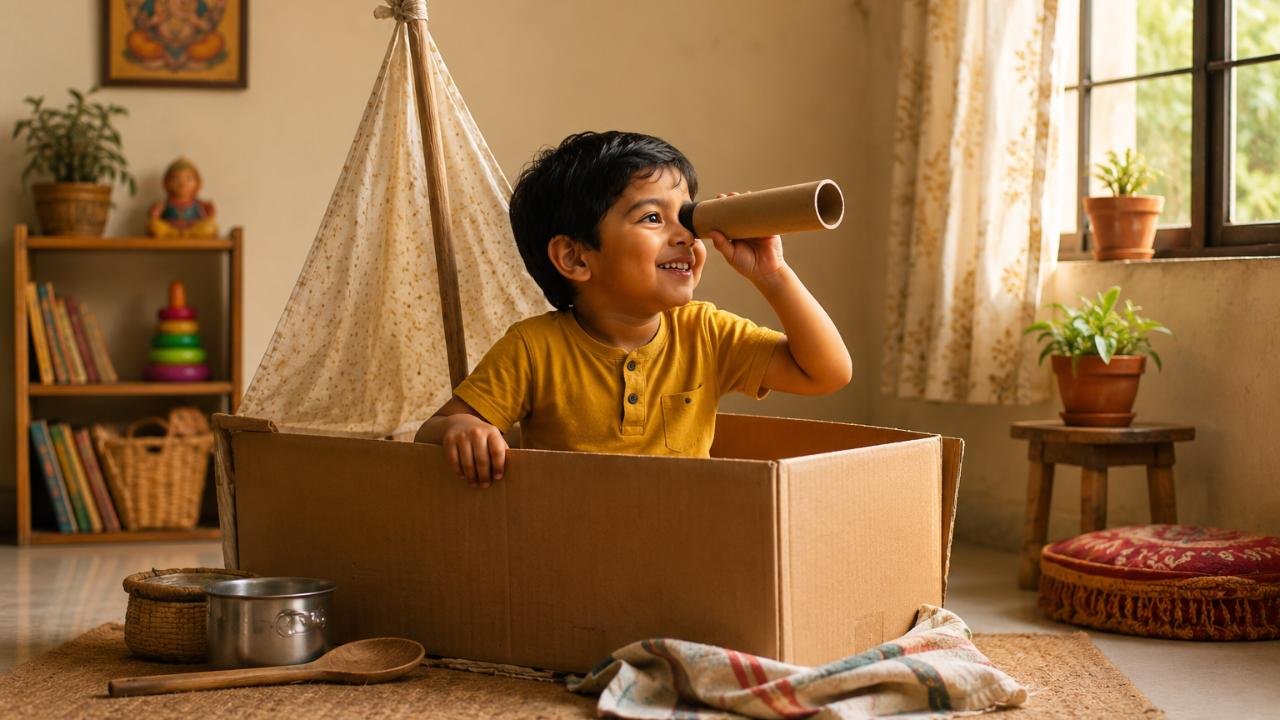
For example, a child might turn an empty cardboard box into a house, a car or a pretend shop. There may be no formal lesson, but the child is imagining, experimenting and making decisions.
The American Psychological Association highlights how child-directed play can support creativity, resilience and social development.
Here are some important benefits of giving children room to explore.
7 Ways Boredom and Free Time Can Help Children Grow
- It Encourages Creativity
When children are constantly given ready-made entertainment, they have fewer opportunities to invent their own activities.
Free time encourages them to use their imagination.
A simple collection of paper, crayons, building blocks or household objects can become the starting point for a new idea.
A child might create a paper city, invent a story or design a game with original rules.
The activity does not need to be perfect. The process of imagining and creating is valuable.
- It Builds Independent Thinking
Children who are always told what to do may become dependent on adults to choose their activities.
When they have some unstructured time, they begin making their own decisions.
They may ask themselves:
What should I play?
Can I make something with these objects?
How can I solve this small problem?
What can I try next?
These everyday decisions give children opportunities to practise independence.
- It Develops Problem-Solving Skills
Imagine a child trying to build a tall tower using blocks. The tower keeps falling.
Instead of immediately fixing it for them, parents can allow the child to experiment safely.
The child may try a wider base, use fewer blocks or change the arrangement.
This is a simple example of problem-solving through exploration.
Children learn that making mistakes is not always failure. Sometimes, it is how they discover a better approach.
- It Helps Children Understand Their Interests
Not every child enjoys the same activities.
Some children love drawing, others enjoy building things, storytelling, music, outdoor games or observing nature.
When every hour is filled with scheduled activities, children may have limited opportunities to discover what they naturally enjoy.
Free time gives them the chance to explore different interests without the pressure of completing a task or winning a competition.
- It Encourages Social Skills
When children play with siblings or friends without an adult controlling every step, they get opportunities to negotiate rules, share ideas and resolve small disagreements.
For example, two children creating a pretend shop must decide who will be the shopkeeper, what they will sell and how their game will work.
These small interactions can help develop communication, cooperation and empathy.
- It Gives Children Time to Relax
Children also experience busy schedules, schoolwork, expectations and social pressures.
A day filled with classes and planned activities can leave little room for relaxation.
Quiet time and enjoyable activities without performance pressure can give children an opportunity to slow down.
Free time should not become another task that children are expected to complete perfectly.
- It Builds Confidence
When children create something independently, even a small project, they experience the satisfaction of completing an idea.
It could be a drawing, a handmade toy, a short story or a game they invented.
These experiences can encourage children to trust their own ideas and become more comfortable trying something new.
What Should Parents Do When Their Child Says "I Am Bored"?
The first instinct may be to immediately suggest an activity. Instead, parents can use the moment as an opportunity to encourage independent thinking.
Try these simple approaches.
Give Them a Little Time
Do not rush to solve every moment of boredom.
Allow children some time to think about what they might enjoy doing. They may come up with an idea without adult help.
Offer Simple Materials
Keep a small collection of accessible items such as:
Paper, crayons and coloured pencils.
Building blocks and puzzles.
Old cardboard boxes.
Storybooks and picture books.
Safe household objects for pretend play.
Clay or reusable craft materials.
Children do not always need expensive toys or electronic gadgets to enjoy themselves.
Ask Open-Ended Questions
Instead of asking, "Do you want to watch television?", try questions such as:
Can you think of something new to create?
What game could we invent?
What would you build with these boxes?
Can you make up a story?
These questions encourage children to think rather than simply choose from ready-made entertainment.
Let Them Make Some Decisions
Allow children to choose their activities, within reasonable safety boundaries.
They might decide to draw, read, build something or play outdoors.
Not every activity needs to have an educational target.
6 Simple Activities Children Can Try Without a Screen
Parents can keep these ideas in mind when children need something to do.
- Create Something From a Cardboard Box
A cardboard box can become a car, shop, house or spaceship. Children can decorate it and create their own stories around it.
- Invent a New Board Game
Ask children to create a simple game using paper, dice and homemade rules. They can also invite family members to play.
- Start a Story Without an Ending
Write the beginning of a short story and ask the child to decide what happens next.
This encourages imagination and language development.
- Create a Mini Garden
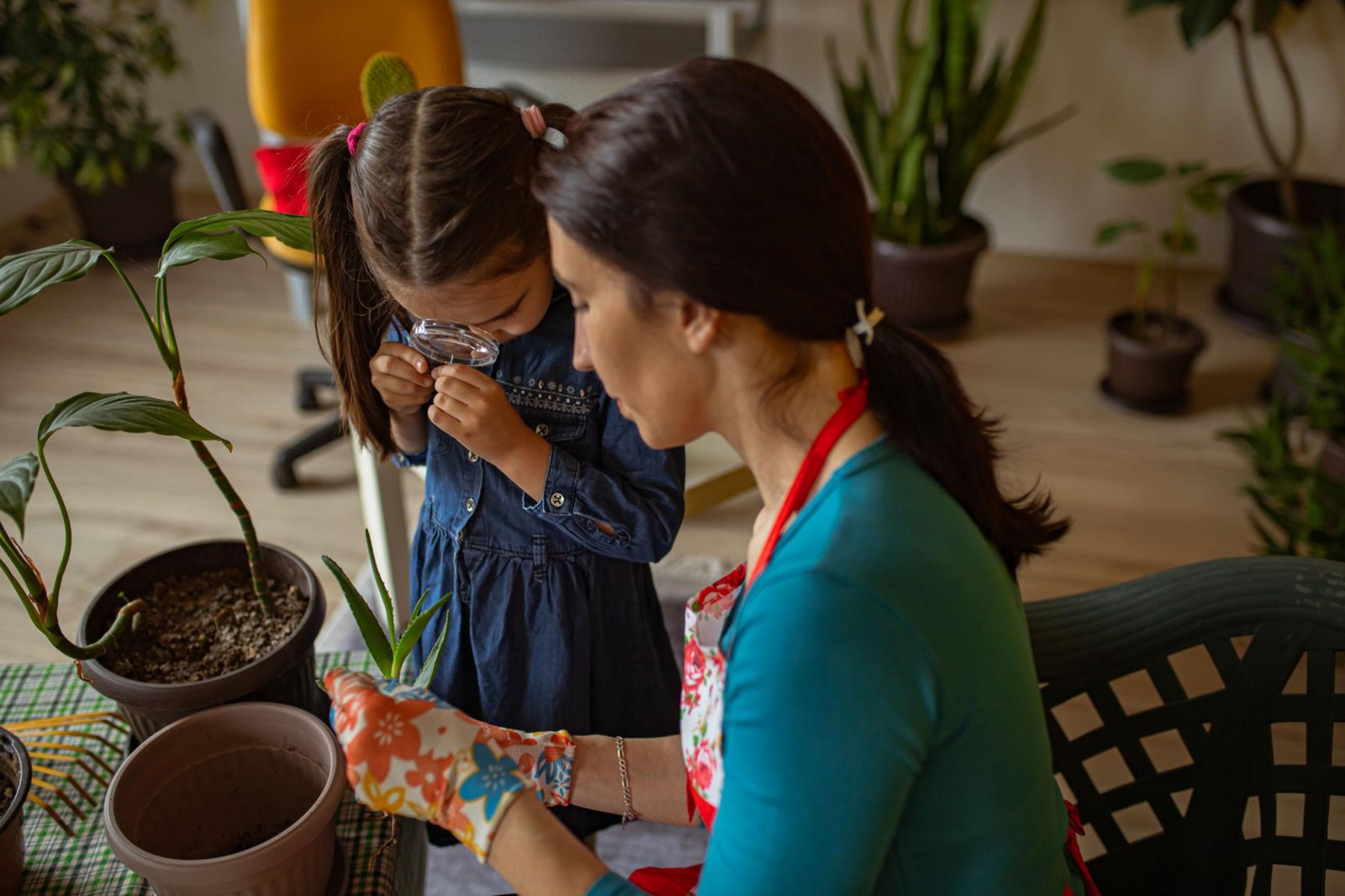
With adult supervision, children can plant seeds in small containers and observe how they grow.
They can record changes through drawings or photographs.
- Organise a Treasure Hunt
Hide a few safe objects around the house and create simple clues. Children can solve the clues and find each item.
- Build Something Using Everyday Materials
Children can use blocks, paper cups or other safe materials to build bridges, towers or imaginary structures.
Let them experiment with their own designs.
Is Too Much Scheduled Activity a Problem?
Structured activities are valuable. Sports classes, music lessons, dance, tuition and educational programmes can help children develop important skills.
The problem arises when children have almost no time left for rest, independent play or family interaction.
A balanced routine should include:
School and academic learning.
Physical activity and outdoor play.
Hobbies and organised activities.
Family time and social interaction.
Unstructured free time.
Adequate sleep and rest.
There is no single timetable suitable for every child. Parents should consider their child's age, interests, energy levels and individual needs.
What Is the Role of Schools in Protecting Free Time?
Schools can also contribute by recognising that learning does not happen only through textbooks and classroom instructions.
Some practical approaches include:
Protecting recess: Give students sufficient opportunities for movement, social interaction and relaxation.
Encouraging creative activities: Provide opportunities for drawing, storytelling, building and experimenting.
Allowing student-led projects: Let children explore topics and develop ideas with suitable teacher guidance.
Avoiding unnecessary pressure: Make sure that homework and extracurricular activities leave room for rest and family life.
Supporting playful learning: Combine structured teaching with opportunities for students to explore and discover.
The American Academy of Pediatrics has also highlighted the developmental value of play, including its role in social-emotional skills, cognitive development and self-regulation.
Does This Mean Parents Should Never Plan Activities?
Not at all.
Children need guidance, routines, boundaries and meaningful learning opportunities. Organised activities can be enjoyable and beneficial.
The goal is to find a balance.
Parents should also remember that free play needs to be age-appropriate and safe. Younger children may need closer supervision, while older children can generally be given more independence according to their maturity and environment.
Boredom should not be used as an excuse to ignore a child's emotional needs or signs of distress.
Frequently Asked Questions
- Is boredom good for children?
Occasional boredom can create opportunities for children to explore their interests, develop ideas and practise independent decision-making. It should be balanced with attention, guidance and meaningful activities.
- How does free time improve creativity?
Free time allows children to invent games, create stories, experiment with objects and explore different ideas without following a fixed set of instructions.
- Should parents entertain their children all the time?
No. Parents should provide attention, support and a safe environment, but children also benefit from opportunities to choose and manage some activities independently.
- What are some screen-free activities for children?
Drawing, reading, storytelling, gardening, puzzles, outdoor games, building with blocks and creative projects are useful options.
- Is structured learning better than unstructured play?
Both have value. Structured learning provides guidance and specific learning goals, while unstructured play gives children more freedom to explore their own ideas. A healthy balance is important.
- How much free time should a child have every day?
There is no universal number that suits every age and family routine. Parents should make reasonable space for play, relaxation and independent activities alongside schoolwork, sleep and other responsibilities.
Conclusion
Childhood should not become a race to fill every available hour with classes, homework and activities.
Children need opportunities to learn, but they also need room to imagine, explore, make mistakes and discover what interests them.
The next time your child says, "I am bored," you do not necessarily need to find an instant solution.
Sometimes, a little free time and a few simple materials are enough to start something wonderful.
A child who learns how to use their imagination may discover possibilities that no ready-made activity could have offered.
 Study Tips
 Study Tips
 Study Tips