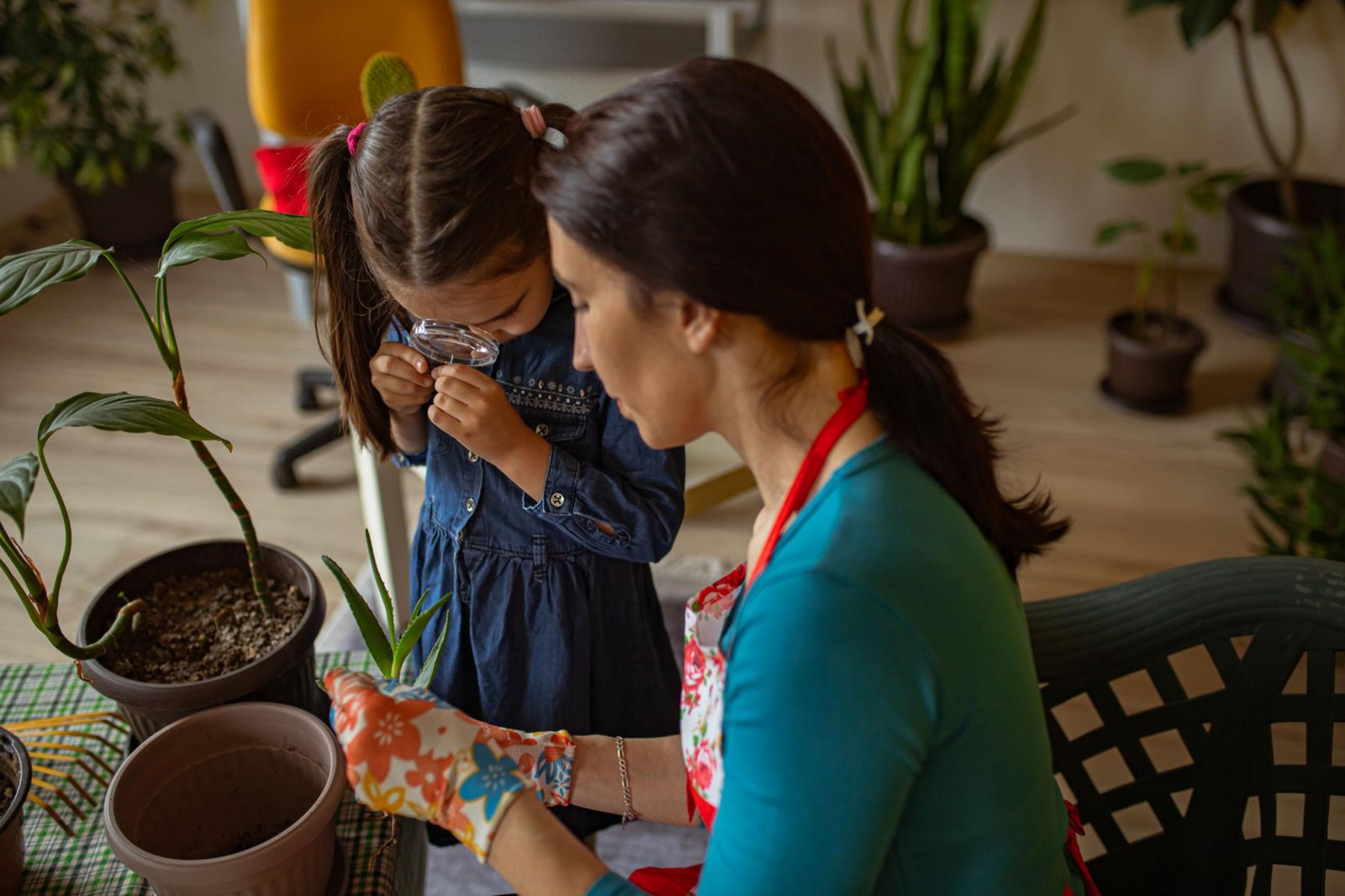
Children ask hundreds of questions while growing up, but traditional learning sometimes focuses more on remembering answers than exploring ideas. Discover why curiosity matters and how parents and teachers can develop stronger questioning skills.
The Art of Asking Questions: Why Curiosity Matters More Than Memorisation
Why is the sky blue? How do birds know where to fly? Why does ice melt? What happens if we mix two different colours?
Children ask questions about almost everything they see. Their curiosity helps them understand the world around them.
However, as children grow older, something interesting often happens. They become more concerned about finding the correct answer than understanding why something happens.
In many learning environments, students spend considerable time memorising definitions, formulas and textbook explanations. While remembering information is important, the ability to ask meaningful questions is equally valuable.
The habit of questioning helps children explore ideas, identify gaps in their understanding and develop independent thinking.
Why Do Children Stop Asking Questions as They Grow Older?
Young children are naturally curious. They are comfortable asking questions because almost everything is new to them.
But as they enter higher classes, their behaviour may change.
Some common reasons include:
Fear of giving an incorrect answer in front of classmates.
Worry about being judged for asking a simple question.
Pressure to complete the syllabus quickly.
Greater focus on marks and examination results.
Limited classroom time for open discussions.
The habit of accepting textbook explanations without further exploration.
Sometimes, children know that they have a doubt but hesitate to raise their hands.
This is why parents and teachers should create an environment where asking questions is welcomed rather than treated as a distraction.
How Asking Questions Improves a Child's Brain Development
Questioning is not just about collecting information. It encourages children to think actively.
Here are some important ways it supports learning.
- It Develops Critical Thinking
When children ask why something happens, they begin examining information instead of accepting it immediately.
For example, instead of simply memorising that plants need sunlight, a student may ask what happens when a plant is kept in darkness.
This encourages observation, comparison and reasoning.
- It Makes Learning More Interesting
A lesson becomes more engaging when students connect it with their own questions.
A science chapter about electricity may become more interesting when children ask how a switch controls a light or why some materials conduct electricity.
Questions connect textbook concepts with real-life experiences.
- It Helps Identify Knowledge Gaps
Sometimes students believe they understand a chapter because they can read the explanation.
However, when they try to ask questions about it, they discover areas they have not fully understood.
This helps them identify exactly what they need to revise.
- It Encourages Independent Learning
Students who know how to ask questions are more likely to explore topics beyond classroom instructions.
They may search for additional information, read different explanations or conduct simple experiments under appropriate supervision.
Over time, they become more comfortable learning independently.
- It Builds Communication Confidence
Asking questions requires children to express what they are thinking.
Regular classroom discussions can help them organise their thoughts, communicate doubts and participate more confidently.
7 Types of Questions Every Student Should Learn to Ask
Not all questions serve the same purpose. Encouraging children to explore different types of questions can make their learning more meaningful.
- Why Questions
These questions help students understand reasons and explanations.
Example: Why does metal feel colder than wood when both are kept in the same room?
- How Questions
These help children understand processes and methods.
Example: How does water reach the leaves of a tall tree?
- What If Questions
These encourage imagination and logical thinking.
Example: What if humans could live underwater?
- Comparison Questions
These help students identify similarities and differences.
Example: How are renewable and non-renewable energy sources different?
- Evidence-Based Questions
These encourage children to examine facts before accepting a claim.
Example: What evidence supports this scientific explanation?
- Application Questions
These connect classroom knowledge with everyday life.
Example: How can mathematics help us plan a household budget?
- Reflection Questions
These help students review their own learning.
Example: Which part of this chapter was difficult for me, and why?
How Parents Can Encourage Children to Ask More Questions
Parents do not need to be experts in every subject to encourage curiosity.
In fact, admitting that they do not know an answer can create a valuable learning opportunity.
Here are some simple ways to develop questioning habits at home.
Never Make Children Feel Embarrassed About Simple Questions
A question that seems basic to an adult may be genuinely interesting to a child.
Avoid responses such as "You should already know this" or "Don't ask unnecessary questions."
Instead, encourage children to explain what made them curious.
Ask Questions During Everyday Activities
Ordinary family activities can become opportunities for learning.
While cooking, parents can ask why certain ingredients change colour when heated.
During shopping, children can compare prices and calculate discounts.
During a walk, they can observe plants, insects, weather and their surroundings.
Explore Answers Together
If a child asks something you cannot answer, do not feel pressured to invent an explanation.
Look for reliable books or educational resources together.
This also teaches children how to find and verify information.
Encourage Children to Maintain a Question Notebook
Give children a small notebook where they can write down interesting questions.
They can add questions from school, conversations, books or everyday observations.
Choose a few questions each week and explore their answers together.
How Teachers Can Build a Question-Friendly Classroom
Teachers have an important role in making students comfortable with curiosity.
A classroom should not only be a place where students receive information. It should also be a place where they feel confident discussing ideas.
Some practical approaches include:
Start lessons with a question: Introduce a chapter through an interesting problem or real-life situation.
Give students thinking time: Allow a few moments for students to organise their thoughts before answering.
Encourage different viewpoints: Let students explain why they agree or disagree with an idea.
Use open-ended questions: Ask questions that allow students to explore multiple possible explanations.
Appreciate thoughtful doubts: Recognise students who raise meaningful questions, even when they do not immediately know the answer.
Include discussion-based activities: Group conversations and classroom debates can help students learn from different perspectives.
The Difference Between Memorising an Answer and Understanding It
Imagine two students studying the same science topic.
The first student memorises the definition of evaporation and reproduces it during an examination.
The second student learns the definition but also asks why wet clothes dry faster on a hot day and how wind affects the process.
Both students have learned the textbook concept, but the second student has also started connecting it with everyday observations.
This does not mean memorisation has no value. Students need to remember important facts, formulas and definitions.
However, meaningful learning happens when remembering information is combined with understanding, questioning and application.
Can Asking Too Many Questions Become a Problem?
Curiosity is valuable, but children also need to learn how to ask questions at appropriate times and listen to explanations.
They should gradually understand the importance of:
Listening when someone else is speaking.
Asking questions related to the discussion.
Giving others an opportunity to respond.
Checking whether information comes from a reliable source.
Respecting different opinions.
The aim is not simply to ask more questions. It is to develop thoughtful questioning habits.
A Simple 10-Minute Daily Activity to Build Curiosity
Parents and teachers can introduce a short activity called "Question of the Day."
Choose one everyday topic and ask children to think of three questions about it.
For example, if the topic is rain, children might ask:
Why do clouds become dark before rain?
How does rainwater reach rivers and lakes?
Why do some places receive more rainfall than others?
Next, choose one question and explore its answer through a book, discussion or simple observation.
Over time, this activity can help children become more observant and comfortable with asking questions.
Frequently Asked Questions
- Why is asking questions important for students?
Asking questions helps students develop critical thinking, improve understanding, identify doubts and connect classroom concepts with real-life situations.
- How can parents develop curiosity in children?
Parents can encourage questions, explore answers together, introduce books and experiments, and connect learning with everyday activities.
- Does asking questions improve academic performance?
Questioning can support deeper understanding and help students identify areas they need to improve. It can complement regular study and examination preparation.
- Why are some students afraid to ask questions in class?
Fear of embarrassment, negative reactions, peer judgement and examination pressure can discourage students from speaking up.
- What is the difference between curiosity and critical thinking?
Curiosity creates the desire to explore and learn. Critical thinking involves examining information, evaluating evidence and reaching reasoned conclusions. Both work together during meaningful learning.
- How can teachers encourage classroom questioning?
Teachers can use open-ended discussions, thinking activities, real-life examples and a supportive classroom environment where students feel comfortable expressing doubts.
Conclusion
A good student is not simply someone who remembers every answer in a textbook. A good learner is also someone who observes, questions, explores and tries to understand how things work.
Parents and teachers should remember that a child's question is often the beginning of a learning opportunity.
Instead of always giving children ready-made answers, encourage them to think about possible explanations and discover information through reliable sources.
Because education becomes more meaningful when children learn not only how to find answers, but also how to ask better questions.
 Study Tips
 Study Tips
 Study Tips