Bullying can affect a student's confidence, emotional wellbeing and academic performance. Learn how parents, teachers and schools can identify bullying, respond to complaints and create a safer learning environment.
School Bullying in India: Warning Signs, Prevention and What Parents Should Know
School should be a place where children feel safe, respected and comfortable expressing themselves. Students go to school to learn, make friends and develop their personalities. However, not every child has a positive experience. For some students, bullying can turn an otherwise normal school day into a stressful experience.
Bullying is not always limited to physical fights or name-calling. It can also include repeated teasing, spreading rumours, excluding someone from a group, threatening messages and online harassment.
A recent development has brought this issue back into focus. On November 10, 2026, a report on a Punjab and Haryana High Court order highlighted the need for schools in Haryana to establish effective mechanisms for handling bullying and harassment complaints.
The issue is important for every parent, teacher and school because a child's emotional safety matters just as much as academic performance.
What Is School Bullying?
School bullying refers to repeated aggressive behaviour in which one student or a group of students targets another student. It may involve physical actions, hurtful language, social exclusion or online harassment.
Some common examples include:
Making fun of a student's appearance, language or background
Giving insulting nicknames repeatedly
Threatening or intimidating classmates
Deliberately excluding someone from group activities
Spreading false rumours
Damaging or taking another student's belongings
Sharing embarrassing photos or messages online
A single disagreement between students is not necessarily bullying. However, repeated behaviour that causes fear, humiliation or distress should never be ignored.
Different Types of Bullying Students May Experience
- Verbal Bullying
Verbal bullying includes repeated insults, threats, mocking and hurtful comments. Students may target someone's appearance, academic performance, interests or personal characteristics.
Even when someone says it was only a joke, repeated comments can seriously affect another child's confidence.
- Physical Bullying
This includes hitting, pushing, kicking, damaging belongings or using physical force to intimidate another student.
Physical bullying should be reported promptly to school authorities and addressed according to the school's safety procedures.
- Social Bullying
Social bullying happens when students deliberately try to damage another person's friendships or social position.
Examples include spreading rumours, encouraging classmates to avoid someone or repeatedly leaving a student out of activities.
- Cyberbullying
Bullying can continue even after school hours through social media, messaging applications, online gaming platforms and other digital spaces.
It may involve threatening messages, fake accounts, embarrassing posts or sharing someone's private information without permission.
Students should know that online harassment is not harmless simply because it happens through a screen.
Warning Signs Parents Should Not Ignore
Children do not always tell their parents when they are being bullied. Some may feel embarrassed, afraid of retaliation or worried that adults will not understand.
Parents should pay attention to repeated changes in behaviour, including:
Not wanting to attend school without a clear reason
Becoming unusually quiet or withdrawn
Sudden changes in mood or confidence
Losing interest in favourite activities
Unexplained damage to books, bags or personal belongings
Difficulty sleeping or frequent complaints of headaches or stomach aches
A sudden decline in academic performance
Avoiding particular classmates or school activities
These signs do not automatically prove that bullying is happening. They may have other causes, too. The best approach is to speak calmly with the child and understand what is troubling them.
How Bullying Can Affect a Student's Education
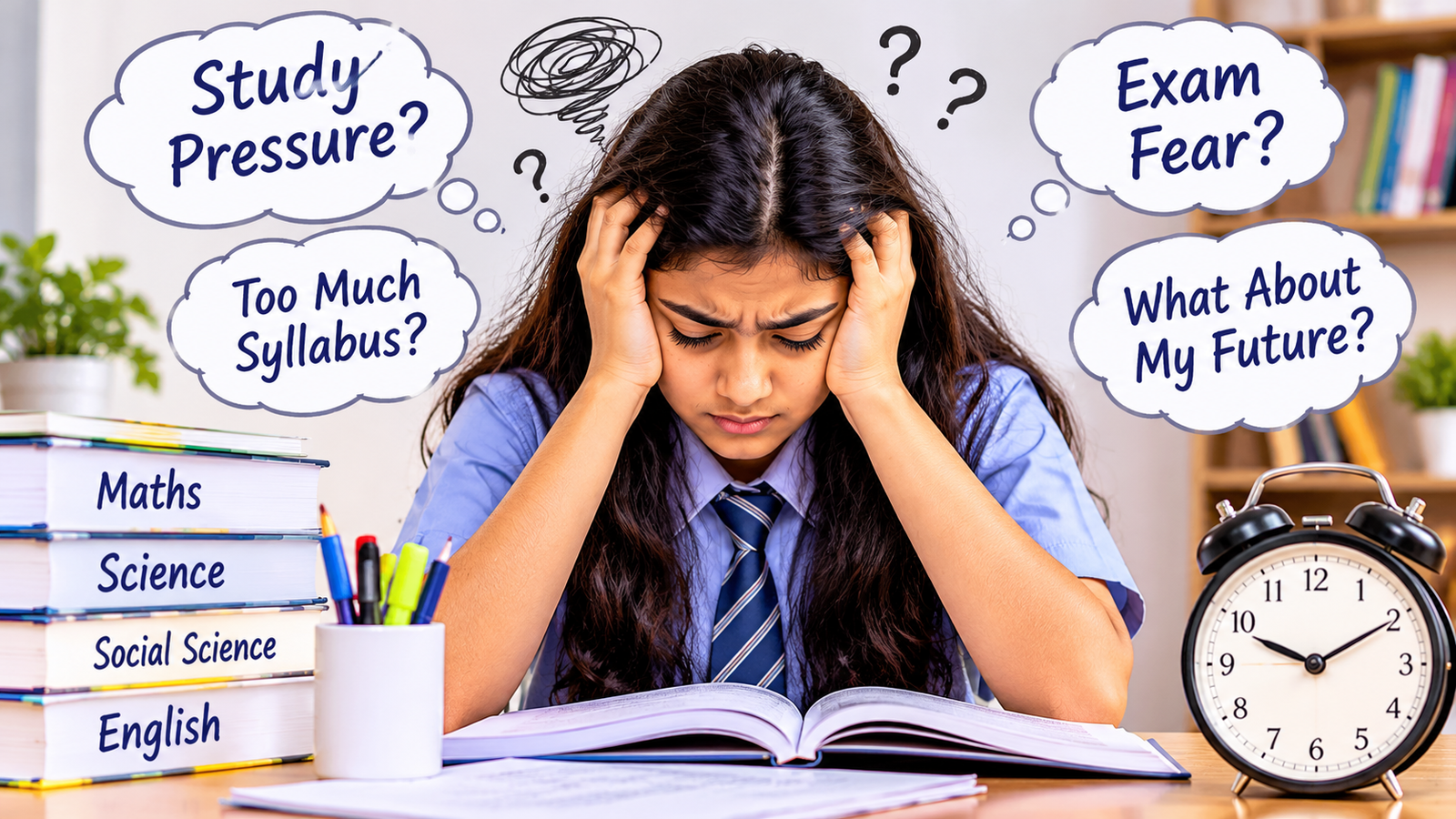
Bullying can affect more than a student's social life. It may also interfere with their ability to concentrate, participate in class and enjoy learning.
A student who feels unsafe may spend more time worrying about classmates than focusing on lessons.
Possible effects include:
Loss of confidence: Repeated humiliation can make students question their abilities and feel uncomfortable expressing themselves.
Academic difficulties: Stress and fear can make it harder to concentrate, complete homework or participate in classroom activities.
Social withdrawal: Students may avoid friendships and group activities because they are afraid of being targeted again.
Emotional distress: Bullying can contribute to anxiety, sadness, fear and feelings of isolation.
School avoidance: Some students may begin making excuses to stay home or may regularly complain about going to school.
Every child responds differently. Parents and teachers should take repeated concerns seriously instead of dismissing them as normal school behaviour.
What Should Parents Do If Their Child Is Being Bullied?
Finding out that a child is experiencing bullying can be upsetting. Parents may feel angry or immediately want to confront the other student. However, a calm and organised response is usually more helpful.
- Listen Without Blaming
Allow the child to explain what happened in their own words. Avoid questions that make them feel responsible, such as asking why they did not fight back.
- Reassure Them
Tell your child that asking for help is the right thing to do. Make it clear that nobody deserves to be threatened, humiliated or repeatedly targeted.
- Record Important Details
Write down the dates, locations, people involved and what happened. Save relevant messages, screenshots or other evidence of online harassment.
- Contact the School
Speak to the class teacher, school counsellor or principal. Explain the situation clearly and request an appropriate response.
- Ask for a Follow-Up
Do not assume that one conversation will solve the issue. Ask the school how it plans to address the complaint and how your child's safety will be monitored.
- Seek Professional Support When Needed
If the child is experiencing ongoing emotional distress, consider speaking with a qualified mental health professional.
If there are threats, physical or sexual assault, or immediate safety concerns, seek appropriate emergency or legal assistance rather than relying only on an informal school discussion.
What Schools Can Do to Prevent Bullying
Schools have a responsibility to create an environment where students can learn without fear or intimidation.
An effective anti-bullying approach should include more than a notice on the classroom wall.
Create clear reporting channels: Students should know whom to approach when they experience or witness bullying.
Handle complaints confidentially: Schools should protect students' privacy and avoid exposing complainants to unnecessary attention.
Train teachers and staff: Teachers should be able to recognise warning signs, respond appropriately and refer students for additional support.
Take complaints seriously: Every report should be assessed fairly, with appropriate action based on the facts and applicable school policies.
Promote respectful behaviour: Classroom discussions and activities can help students understand empathy, inclusion and personal boundaries.
Provide counselling support: Students who experience bullying, as well as those displaying harmful behaviour, may need appropriate guidance.
Keep parents informed: Communication between families and schools can help identify problems early and monitor whether the situation improves.
What Is the Latest Court Development on School Bullying?
According to a Times of India report published on November 10, 2026, the Punjab and Haryana High Court directed Haryana's school education department to ensure that schools have internal mechanisms for addressing bullying and harassment complaints within three months of receiving a certified copy of the judgment.
The directions cover schools irrespective of their affiliation and specifically highlight complaints involving gender, gender identity and sexual orientation, along with broader student safety concerns.
The court also directed CBSE to issue instructions to its affiliated schools within the High Court's territorial jurisdiction regarding compliance with existing anti-bullying guidelines.
The report further states that the court emphasised confidential complaint handling, timely action and appropriate reporting where a complaint discloses a cognisable offence.
This is a development concerning Haryana and the relevant High Court's jurisdiction. Parents should not assume that the three-month implementation direction automatically applies to every school across India.
However, it highlights an important lesson for all educational institutions: safety policies must work in practice, not simply exist in documents.
How Students Can Help Create a Bully-Free School
Students also have a role in building a respectful school environment.
They can start with simple actions:
Treat classmates with respect, even when their interests or opinions are different.
Avoid sharing insulting jokes, rumours or embarrassing pictures.
Do not encourage bullying by laughing or joining in.
Support classmates who are being targeted.
Report repeated harassment to a trusted teacher or adult.
Think carefully before posting comments or sharing content online.
Students should also understand that reporting bullying is not the same as creating trouble. Speaking up can help protect someone who may be struggling silently.
Frequently Asked Questions (FAQs)
- What is the most common form of school bullying?
Bullying can take different forms, including verbal insults, social exclusion, physical intimidation and online harassment. The type and frequency may vary from one school to another.
- How can parents identify if their child is being bullied?
Parents can look for repeated changes in behaviour, reluctance to attend school, withdrawal from friends, unexplained damaged belongings and sudden academic difficulties. These signs should lead to a supportive conversation, not an immediate assumption.
- What should a student do if they witness bullying?
The student should avoid joining in, support the affected classmate where it is safe to do so and report the incident to a trusted teacher or school authority.
- Can bullying happen outside school?
Yes. Bullying can happen during school transport, tuition classes, social gatherings and online interactions. Schools and parents should take relevant concerns seriously, even when the incident happens outside the classroom.
- How should schools handle bullying complaints?
Schools should provide accessible reporting channels, assess complaints fairly, protect students' privacy, take appropriate action and arrange support for affected students.
- Does the latest Haryana High Court direction apply to all schools in India?
No. The reported direction concerns the Haryana school education department and schools within the relevant High Court jurisdiction. It should not be described as a new nationwide order.
Final Thoughts
A safe school environment is essential for every child's growth. Students should be able to attend classes, make friends and participate in activities without fear of humiliation or harassment.
Parents should listen when children express concerns, teachers should respond responsibly and schools should maintain effective systems for reporting and addressing bullying.
Academic success is important, but it should never come at the cost of a child's safety and dignity.
A school becomes a better place when every student feels respected, included and supported.
 Parenting
 Parenting
 Parenting