
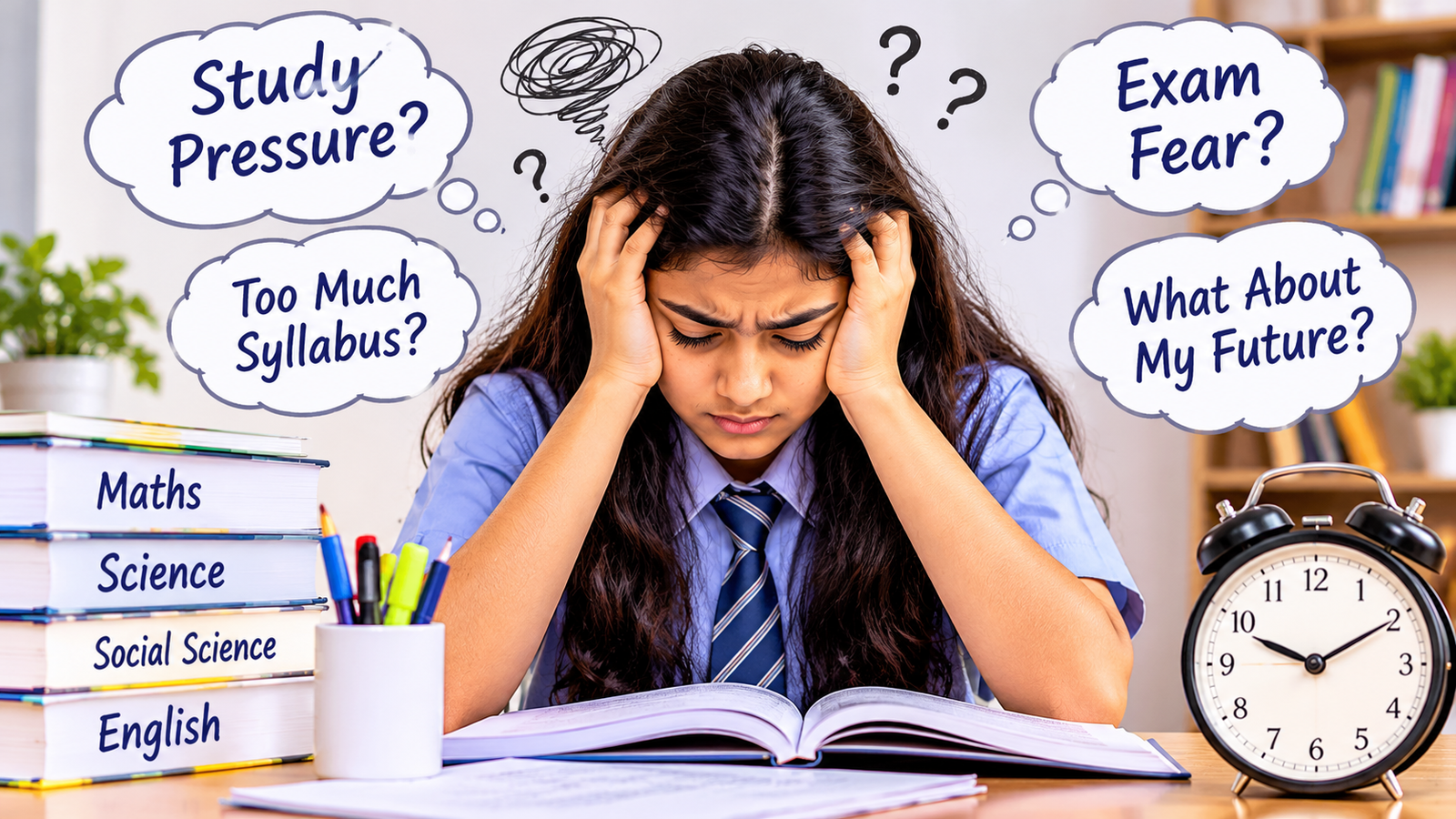
Being a topper may look like a dream, but constant expectations can make academic success emotionally demanding. Explore perfectionism, fear of failure, comparison and practical ways parents and teachers can support high-achieving students.
The Invisible Pressure of Being a Topper: When Academic Success Becomes Stressful
A student scores 95% in an examination. Teachers appreciate the result, parents feel proud and classmates look up to the student. From the outside, everything seems perfect.
But what happens when that student starts worrying about scoring 96% next time?
What if a small mistake feels like a major failure? What if taking a break creates guilt, or asking for help feels embarrassing because everyone expects the student to know every answer?
This is the side of academic success that often goes unnoticed.
Being a high-achieving student can bring opportunities and confidence, but constant expectations can also create pressure. Sometimes, the desire to maintain excellent results becomes so strong that students forget learning is supposed to be a journey, not a competition.
The Other Side of Being a Topper
When people talk about toppers, they usually discuss their marks, study schedules, discipline and achievements.
However, academic performance does not tell the complete story of a student's experience.
Some high-achieving students may feel that they must always be the best. They may worry about disappointing their parents, losing their position in class or making mistakes in front of others.
A student who regularly scores high marks may also struggle with self-doubt.
This does not mean that every topper experiences academic pressure. Many students enjoy challenges and feel motivated by their achievements. The concern begins when success becomes the only measure of self-worth.
Why Do High-Achieving Students Feel So Much Pressure?
There is rarely just one reason. Expectations from different directions can gradually become difficult to manage.
- The Fear of Losing Their Position
Students who consistently rank among the top performers may begin to feel that they must maintain the same position.
Even a small drop in marks can feel disappointing.
Instead of looking at what they have learned, they may focus only on whether someone else has scored more.
- Expectations From Family
Parents naturally want their children to do well. However, repeated reminders about maintaining high marks can sometimes create pressure.
Comments such as "You always come first" or "We expect nothing less from you" may sound encouraging, but a child could interpret them as a condition for approval.
Children need to know that their family's support does not depend on their examination results.
- Comparison With Other Students
Competition is common in schools, coaching centres and even family gatherings.
Students may compare marks, ranks, study hours and achievements.
For a high achiever, comparison can create the feeling that doing well is never enough.
There will always be another examination, another competition or another student performing differently.
- Perfectionism
Some students are uncomfortable with making mistakes.
They may spend excessive time checking answers, rewriting notes or preparing for small tests because they want everything to be perfect.
Research on perfectionism distinguishes between setting high standards and responding negatively to mistakes. Having ambitious goals can be motivating, but harsh self-criticism and fear of imperfection can become harmful.
- Pressure to Choose the "Best" Career
High-performing students may face expectations to choose careers such as medicine, engineering, law or other prestigious professions.
Sometimes, their own interests receive less attention than the career paths others consider successful.
Students should have opportunities to explore their abilities and interests before making important decisions about their future.
7 Signs That Academic Success May Be Becoming a Burden
Not every hardworking student is under unhealthy pressure. However, parents and teachers should pay attention to changes in behaviour.
Some possible warning signs include:
- Extreme Fear of Making Mistakes
The student becomes unusually upset after losing even one mark or making a small error.
- Difficulty Taking Breaks
They feel guilty when relaxing, meeting friends or spending time on hobbies because they believe they should always be studying.
- Constant Self-Criticism
Even after receiving good marks, they focus only on what they could have done better.
- Avoiding New Challenges
They hesitate to participate in activities where they might not perform perfectly.
- Trouble Sleeping Before Examinations
They repeatedly worry about results, preparation or disappointing others.
- Losing Interest in Favourite Activities
Hobbies, sports and social activities gradually disappear from their routine because academics take priority.
- Hesitating to Ask for Help
They may believe that asking questions or admitting difficulty will make others think they are not intelligent.
If these changes persist or affect daily life, it is important to speak with a qualified mental health professional or appropriate school counsellor rather than dismissing them as ordinary examination tension.
Why Making Mistakes Is Important for High-Achieving Students
A common misunderstanding is that successful students should avoid mistakes.
In reality, mistakes are part of learning.
When students receive an incorrect answer, understand why it happened and try again, they get an opportunity to improve.
For example, a student who makes an error in a mathematics test can learn to identify the calculation mistake and use a better approach next time.
The goal should not be to make students careless about their performance. It should be to help them understand that one disappointing result does not define their abilities.
A healthy learning environment allows students to make mistakes without feeling that their identity or worth is being questioned.
How Parents Can Support Children Who Are Always Expected to Excel
Parents can make a significant difference by changing how they respond to academic performance.
Praise Effort, Not Just Marks
Instead of saying only "You are the topper," appreciate the child's preparation, consistency, curiosity and willingness to improve.
This helps children understand that their efforts matter even when results are not perfect.
Avoid Comparing Them With Others
Comparisons can create unnecessary competition.
Every child has different strengths, interests and learning needs. Encourage children to focus on their own progress.
Make Home a Safe Place to Discuss Failure
If a child receives fewer marks than expected, listen before reacting.
Ask what they found difficult and what support they need. Avoid turning every disappointing result into a lecture.
Protect Time for Hobbies and Rest
Academic goals are important, but children also need time for sports, music, friendships and relaxation.
A balanced routine helps them maintain interests beyond examinations.
Let Children Explore Their Own Goals
Ask what subjects they enjoy, what they would like to learn and which careers interest them.
Parents can guide their decisions without deciding every part of their future.
What Can Teachers Do to Reduce Pressure in the Classroom?
Teachers often see a side of students that parents may not notice.
A student who appears confident during lessons may be privately worried about maintaining their position.
Schools can support such students through practical changes.
Recognise improvement and effort alongside academic results.
Avoid publicly embarrassing students for incorrect answers.
Encourage students to ask questions without fear.
Provide constructive feedback rather than focusing only on rankings.
Offer opportunities to explore sports, arts, science and other interests.
Watch for persistent changes in participation, attendance or behaviour.
Make counselling and appropriate student support accessible.
A classroom should encourage students to achieve their potential without making them feel that only the highest score deserves appreciation.
How Can Students Manage the Pressure of Always Being the Best?
High-achieving students can also develop habits that make their academic journey more balanced.
- Set Personal Goals
Instead of focusing only on class rankings, set goals that measure your own progress.
For example, aim to improve your understanding of a difficult chapter or become more confident in a subject.
- Accept That Every Test Will Not Be Perfect
One examination cannot measure your complete knowledge or future potential.
Treat disappointing results as feedback rather than a final judgement.
- Keep One Activity Outside Academics
Continue playing a sport, learning music, drawing, reading or pursuing another interest.
Your identity should not be limited to your academic performance.
- Ask for Help When Needed
Being a strong student does not mean knowing everything.
Teachers, parents, friends and counsellors can help you understand difficult topics and manage challenging situations.
- Stop Measuring Your Worth Through Marks
Marks are one way of evaluating academic performance. They do not measure kindness, creativity, communication, resilience or every other quality that makes a person capable.
What Does Research Say About High-Achieving Students and Pressure?
The topic has received growing attention in educational and psychological research.
A systematic review published in 2026 examined 39 studies on the mental health of high-achieving students. It identified maladaptive perfectionism and achievement-related parental pressure among factors associated with poorer wellbeing. The researchers also highlighted protective factors such as family support and emotional flexibility.
Research published by University College London in February 2026 followed 4,714 participants and found an association between higher academic pressure at age 15 and depressive symptoms reported in later years. This was a UK study, so its findings should not be treated as a direct estimate of the situation among Indian students.
These findings do not suggest that academic ambition is harmful. They highlight why ambition should be supported by realistic expectations, emotional support and a healthy learning environment.
Frequently Asked Questions
- Why do toppers feel pressure even after scoring good marks?
Some high-achieving students may worry about maintaining their position, disappointing others or making mistakes. Their attention can shift from learning to constantly proving their performance.
- Is perfectionism always bad for students?
No. Setting high standards can encourage effort and motivation. However, extreme self-criticism and fear of mistakes can make academic life difficult.
- How should parents react when a topper scores fewer marks?
Parents should listen, understand what went wrong and discuss practical ways to improve. They should avoid comparisons or making the child feel that their value depends on marks.
- Can academic pressure affect a student's confidence?
Excessive pressure may make some students doubt their abilities, fear failure or become overly dependent on external approval.
- Should toppers take breaks from studying?
Yes. Rest, hobbies, physical activity and social interaction are important parts of a balanced routine. Taking a break does not mean a student is losing focus.
- How can schools support high-achieving students?
Schools can encourage effort, provide constructive feedback, avoid excessive emphasis on rankings and make emotional support available to students who need it.
Conclusion
Academic achievement deserves appreciation, but students should never feel that they must remain perfect to earn respect or affection.
A topper is also a learner who can make mistakes, experience disappointment, explore new interests and sometimes need help.
Parents and teachers should celebrate achievements while remembering the person behind the marks.
The most meaningful success is not simply producing students who always come first. It is helping them become confident individuals who can learn, adapt and move forward even when things do not go according to plan.
A student's worth should never depend on the number written on an examination result.
 Parenting
 Parenting