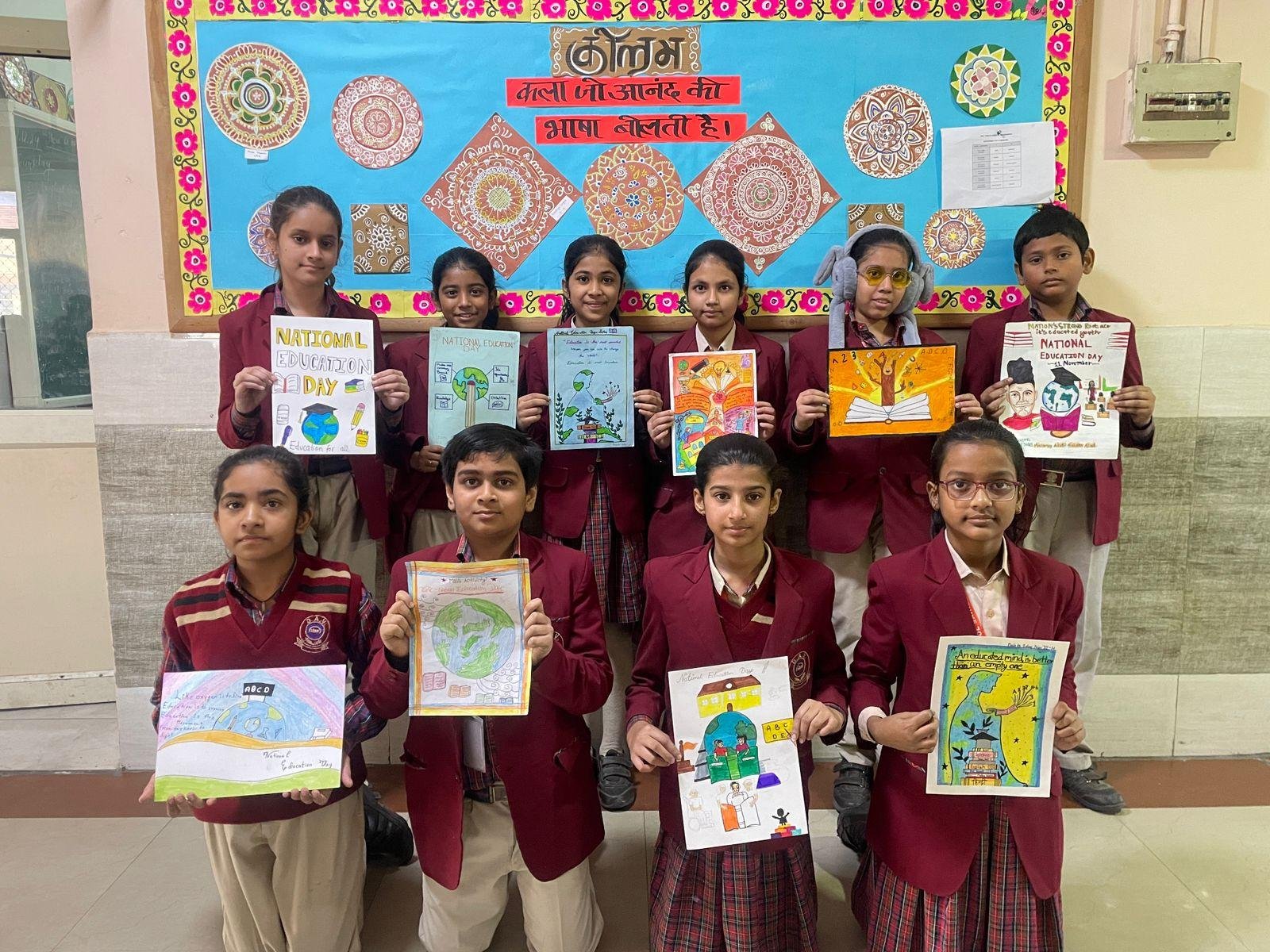
National Education Day is observed in India on 11 November to honour Maulana Abul Kalam Azad, the country's first Education Minister. Explore the history of this day, his contribution to education and meaningful ways students and schools can celebrate it.
National Education Day 2026: Importance, History and Lessons for Students
Education is more than attending school, completing homework or scoring good marks in examinations. It helps people develop their thinking, understand the world, make informed decisions and build a better future.
Every year, India observes National Education Day on 11 November to recognise the importance of education and remember the contribution of Maulana Abul Kalam Azad, the first Education Minister of independent India.
As National Education Day 2026 approaches, it is a good opportunity for students, parents and teachers to think about what meaningful education really means and how learning can become a part of everyday life.
Why Is National Education Day Celebrated on 11 November?
National Education Day is celebrated on 11 November because it marks the birth anniversary of Maulana Abul Kalam Azad, who was born on 11 November 1888.
He served as independent India's first Education Minister from 1947 and played an important role in shaping the country's education system during its early years.
The Government of India announced the observance of National Education Day in 2008. Since then, schools, colleges and educational institutions across the country have marked the occasion through educational activities, discussions, competitions and awareness programmes.
The purpose is not simply to remember a historical personality. It is also to remind everyone that access to quality education is essential for the development of individuals and society.
Who Was Maulana Abul Kalam Azad?
Maulana Abul Kalam Azad was an Indian freedom fighter, scholar, writer and educationist. He believed that education should reach every section of society and should not be limited by financial or social circumstances.
After India gained independence in 1947, he became the country's first Education Minister. During his tenure, he supported the development of educational institutions, scientific learning, technical education and opportunities for children.
Some of his important educational priorities included:
Universal education: He supported wider access to education for children across the country.
Girls' education: He recognised the importance of providing educational opportunities to girls and women.
Science and technology: He encouraged scientific and technical education to help India progress.
Higher education: He supported the development of institutions that could strengthen advanced learning and research.
Equal opportunities: He believed that education should be available to people regardless of their background.
His contribution remains an important part of India's educational history.
Why Is National Education Day Important for Students?
For students, National Education Day is a reminder that learning should not be restricted to textbooks and examinations.
A good education helps students develop skills that they can use throughout their lives.
- It Builds Independent Thinking
Education teaches students how to ask questions, examine information and understand different viewpoints. Instead of accepting everything without thinking, students learn to form their own opinions.
- It Develops Confidence
Learning new subjects and improving skills can help students become more confident. Whether it is speaking in front of a class, participating in a competition or solving a difficult problem, every small achievement matters.
- It Creates Better Opportunities
Education introduces students to different subjects, careers and possibilities. It helps them understand their interests and prepare for future responsibilities.
- It Encourages Equality
Access to education can create opportunities for people from different backgrounds. Every child deserves a chance to learn, grow and work towards their goals.
- It Teaches Responsibility
Education also helps students understand their responsibilities towards their families, communities and society. Values such as honesty, respect, discipline and cooperation are important parts of learning.
7 Meaningful Ways Schools Can Celebrate National Education Day 2026
Schools can make this occasion more interesting by involving students in activities that encourage creativity, discussion and practical learning.
Here are seven ideas that schools can organise.
- Organise an Essay Writing Competition
Students can write about topics such as the importance of education, the role of teachers or their vision for India's education system.
This activity improves writing skills and encourages students to express their thoughts.
- Conduct a Quiz on Indian Education
A quiz can include questions about Indian education history, famous educationists, important institutions and educational developments.
It is a simple way to make students learn something new while enjoying the activity.
- Arrange a Speech Competition
Students can prepare short speeches on why education matters in modern society.
Schools can encourage participants to share their own experiences rather than simply memorising information.
- Create an Educational Wall or Display Board
Students can prepare posters, drawings and short messages about the value of education.
A dedicated display board can also include important milestones in Indian education.
- Hold a Book Reading Session
Teachers can encourage students to read inspiring biographies, stories and educational books.
Students can then share what they learned from their reading.
- Invite Students to Share Their Ideas
Schools can organise an open discussion where students suggest ways to improve learning experiences in their classrooms.
Their ideas may include better reading facilities, interactive lessons, group activities or more opportunities to ask questions.
- Appreciate Teachers and Mentors
Students can express their gratitude to teachers who guide and support them.
A simple appreciation note or classroom activity can make the occasion more meaningful.
What Can Parents Do to Make Education More Meaningful at Home?
Education does not stop when children leave school. Parents also play an important role in developing curiosity and positive learning habits.
Here are a few practical steps parents can follow:
Encourage children to read books beyond their school syllabus.
Give them opportunities to ask questions and express opinions.
Avoid comparing their academic performance with other children.
Appreciate effort, improvement and consistency instead of focusing only on marks.
Introduce practical activities such as cooking, gardening, budgeting and simple experiments.
Help children explore subjects they genuinely enjoy.
Make time for conversations about what they learn at school.
These small habits can help children become more curious, independent and confident learners.
Education in 2026: Learning Beyond Traditional Classrooms
The way students learn is changing. Digital classrooms, online resources, educational applications and interactive learning platforms have made information more accessible.
However, technology alone cannot guarantee good education. Students still need proper guidance, practical understanding and opportunities to apply what they learn.
A balanced approach should include:
Strong reading and writing skills.
Logical reasoning and problem-solving.
Digital awareness and responsible technology use.
Communication and teamwork.
Creativity and practical knowledge.
Emotional and social development.
Schools and parents should work together to ensure that children develop these skills alongside their academic knowledge.
Frequently Asked Questions About National Education Day
- When is National Education Day celebrated in India?
National Education Day is celebrated every year on 11 November.
- Whose birth anniversary is celebrated as National Education Day?
It is celebrated on the birth anniversary of Maulana Abul Kalam Azad, India's first Education Minister.
- When was National Education Day first observed?
The Government of India announced National Education Day in 2008.
- What is the main purpose of National Education Day?
The day highlights the importance of education and recognises the contribution of Maulana Abul Kalam Azad to India's education system.
- How can students celebrate National Education Day?
Students can participate in essay writing, speeches, quizzes, reading sessions, poster-making activities and discussions about the importance of education.
- Why should education go beyond textbooks?
Learning beyond textbooks helps children develop practical knowledge, communication skills, creativity, confidence and independent thinking.
Conclusion
National Education Day is an opportunity to understand that education is not just about completing a syllabus or achieving high marks. It is about developing knowledge, values, confidence and the ability to make thoughtful decisions.
The contribution of Maulana Abul Kalam Azad reminds us of the importance of making education accessible and meaningful for everyone.
This 11 November, students can celebrate the occasion by learning something new, appreciating their teachers and understanding how education can make a difference in their lives.
Because the real purpose of education is not simply to prepare students for examinations, but to prepare them for life.
 Board Updates
 Board Updates
 Board Updates