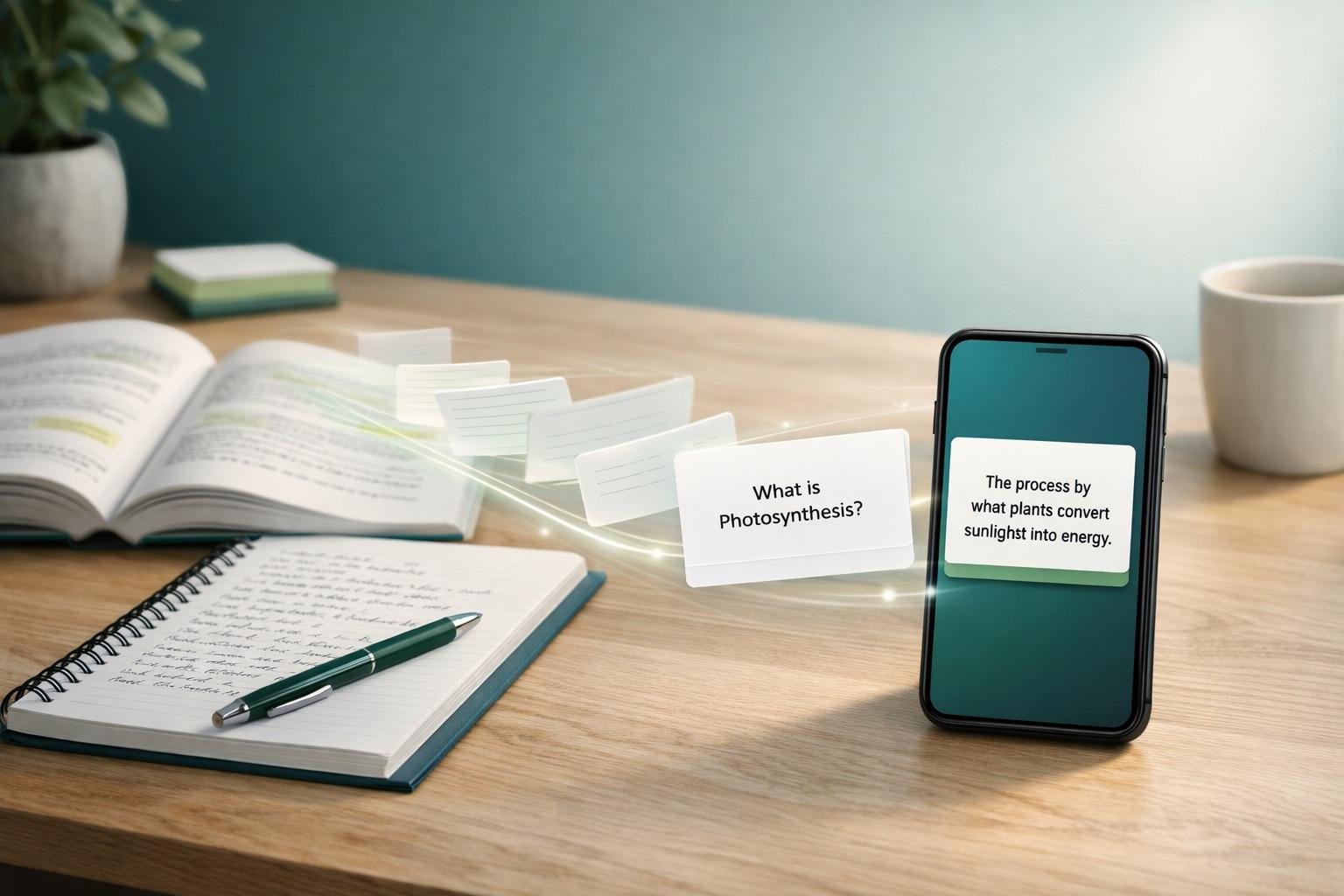
Discover how microlearning uses short, focused lessons to help students revise concepts, build daily learning habits and make better use of digital education tools.
# icrolearning: Can 10 Minutes of Learning Every Day MakMe Students Smarter?
Not every student enjoys sitting in front of a book or laptop for hours. Some find it difficult to concentrate during long lectures, while others struggle to find enough time between school, homework, tuition and other activities.
But what if learning did not always require an entire hour?
Imagine learning one English word, understanding a science concept, solving a mathematics problem or watching a short educational explanation in just 10 minutes.
This approach is known as microlearning. It breaks larger subjects into small, focused learning sessions that are easier to fit into everyday life.
With digital education becoming more accessible, microlearning is an interesting way for students to make better use of their time.
What Exactly Is Microlearning?
Microlearning is a method of learning through short lessons that focus on one specific concept or skill at a time.
Instead of completing an entire chapter in one sitting, students learn it through smaller sections.
For example, a student studying Biology could divide a chapter into separate short lessons:
- Day 1: Understand the meaning of photosynthesis.
- Day 2: Learn the role of sunlight and chlorophyll.
- Day 3: Understand how plants use carbon dioxide and water.
- Day 4: Revise the process with a diagram.
- Day 5: Answer a few practice questions.
Each session has a clear learning goal, making the subject easier to approach.
Why Is Microlearning Becoming Popular?
Students today use smartphones, laptops and educational platforms for different learning activities. Short videos, interactive quizzes, flashcards and quick explanations have made it possible to learn smaller concepts whenever time is available.
Microlearning fits naturally into this digital environment.
Here are some reasons students may find it useful.
1. It Makes Learning Feel Less Overwhelming
Looking at a 40-page chapter can make students feel that studying will take too much time.
Breaking it into smaller topics gives them a clear starting point.
Completing one small lesson can also create a sense of progress and encourage them to continue.
2. It Helps Students Revise Regularly
Students do not always need to reread an entire chapter to revise an important concept.
They can use short revision sessions to recall definitions, formulas, dates and key ideas.
Flashcards and quick quizzes can make these sessions more active.
3. It Fits Into Busy Schedules
A student may not have an entire hour available every day, but finding 10 or 15 minutes can be easier.
A short learning session during a suitable break can help maintain a regular learning habit.
However, longer study sessions are still necessary for subjects that require detailed understanding and practice.
4. It Encourages Active Participation
Microlearning can include more than watching short videos.
Students can solve one problem, answer a quiz, explain a concept in their own words or complete a small activity.
These activities encourage students to think about what they have learned.
How Can Students Use Microlearning in Daily Life?
You don't need a special application or expensive course to get started.
Try these simple ideas:
For Mathematics: Solve one or two questions from a difficult topic every day.
For English: Learn a few new words, understand their meanings and use them in sentences.
For Science: Study one concept and draw a small diagram explaining it.
For History: Revise one important event, its date and its significance.
For General Knowledge: Explore one topic and write down three important facts.
The idea is to give every short session a clear purpose.
5 Digital Tools That Can Support Microlearning
Students can use different digital resources to create short and focused learning sessions.
- Flashcards: Tools such as Anki can help students revise concepts through question-and-answer cards.
- Educational videos: Short topic-based videos can introduce or explain specific concepts.
- Quiz platforms: Interactive quizzes can help students check their understanding.
- Digital notes: Apps such as Google Keep can help organise short revision points.
- Learning platforms: Structured online courses can help students divide larger subjects into manageable lessons.
Choose tools based on your learning needs. Using too many applications at once can become another distraction.
Is 10 Minutes of Learning Enough?
This is an important question.
Ten minutes can be useful for revising a formula, learning a few vocabulary words or understanding a small concept. But it is not enough for every learning task.
For example, solving lengthy Mathematics problems, writing essays, conducting experiments and understanding complex scientific topics require more time and concentration.
Microlearning should support your regular studies, not replace them.
A good approach is to combine short revision sessions with longer periods of focused study and practice.
A Simple 10-Minute Microlearning Challenge
Want to try this method? Follow this small daily routine:
- Minutes 1–2: Choose one topic and identify what you want to learn.
- Minutes 3–6: Read a short explanation or watch a focused lesson.
- Minutes 7–8: Close the material and recall the main points.
- Minutes 9–10: Answer a question or write a short summary.
Repeat this activity with different topics throughout the week.
At the end of seven days, check how much you can remember without looking at your notes.
Frequently Asked Questions
1. What is microlearning in education?
Microlearning is a learning approach in which information is divided into short, focused lessons that cover one concept or skill at a time.
2. Is microlearning suitable for school students?
Yes. It can be useful for vocabulary practice, formula revision, quick quizzes and understanding smaller concepts. It should be combined with detailed study where necessary.
3. Can microlearning improve memory?
Short sessions that include active recall and regular revision may support better retention. Simply watching short videos without practising may not produce the same benefits.
4. How long should a microlearning session last?
There is no universal duration. Some activities may take five minutes, while others may need 10–15 minutes or longer.
5. Can microlearning replace traditional classroom learning?
No. It is best used as a supporting method. Classroom discussions, detailed explanations, practical activities and independent study remain important.
Final Thoughts
Learning does not always have to happen in long sessions. Sometimes, a small amount of focused effort can help students build a useful daily habit.
Microlearning gives students another way to approach their studies, especially when they want to revise regularly or understand a topic step by step.
The important thing is not to finish everything in 10 minutes. It is to learn something meaningful during those 10 minutes and build on it the next day.
 Online Learning
 Online Learning