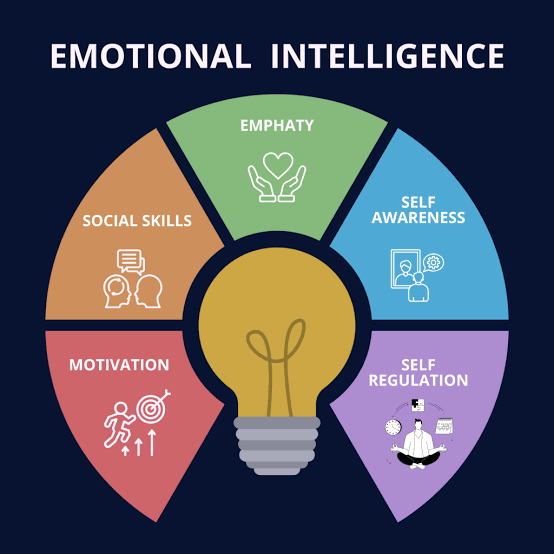
Emotional intelligence is an important life skill that helps children understand their feelings, manage difficult emotions, communicate effectively and develop healthy relationships. Parents can nurture this ability through everyday conversations, emotional support, positive discipline and practical
Introduction: Why Emotional Intelligence Matters in Childhood
Every parent wants their child to grow up happy, confident and successful. But academic performance, good grades and extracurricular achievements are not the only things that matter in a child's development.
Children also need to understand their emotions, express their feelings and respond positively to challenging situations. These abilities are closely connected to emotional intelligence.
Imagine a child who gets upset after losing a game. One child may throw things or stop talking, while another may feel disappointed but gradually learn to accept the result. The difference is not simply personality. Children can gradually learn how to recognise and manage their emotions through guidance and practice.
Emotional intelligence helps children understand themselves and the people around them. It supports communication, friendship, decision-making and overall emotional development.
The good news is that parents do not need complicated activities or expensive programmes to encourage emotional intelligence. Small everyday habits can make a meaningful difference.
Here are 10 practical ways to help children develop emotional intelligence.
What Is Emotional Intelligence in Children?
Emotional intelligence refers to the ability to recognise, understand and manage emotions while responding thoughtfully to the feelings of others.
For children, it includes several important skills:
Recognising emotions such as happiness, sadness, anger and fear.
Expressing feelings using appropriate words.
Managing frustration and disappointment.
Understanding how their actions affect others.
Showing kindness and empathy.
Solving disagreements peacefully.
Asking for help when they need support.
These abilities develop gradually. Younger children may need more help identifying emotions, while older children can learn more complex skills such as understanding different perspectives and managing social situations.
10 Parenting Habits That Help Build Emotional Intelligence
- Encourage Children to Talk About Their Feelings
One of the easiest ways to support emotional development is to make conversations about feelings a normal part of family life.
Instead of asking only, "How was school today?", try asking more specific questions:
What made you happy today?
Did anything make you feel upset?
Was there a moment when you felt proud?
Did you help someone today?
These questions encourage children to think about their experiences and communicate openly.
Avoid immediately judging their answers. Listen patiently and allow them to finish speaking.
- Teach Children That Every Emotion Is Acceptable
Children sometimes hear statements such as "Don't cry" or "Stop being angry."
Although parents may say these things to calm a situation, children can interpret them as meaning that certain emotions are wrong.
Instead, explain that all emotions are natural, but not every behaviour is acceptable.
For example:
"It's okay to feel angry, but hitting someone is not okay."
This teaches children to recognise their emotions while understanding the importance of respectful behaviour.
- Become a Positive Role Model
Children learn a great deal by observing their parents.
If adults respond to stress by shouting, blaming or becoming aggressive, children may begin copying those reactions.
Parents can demonstrate healthy emotional behaviour through simple actions:
Speak calmly during disagreements.
Apologise when you make a mistake.
Explain when you need a little time to calm down.
Discuss problems respectfully.
Show appreciation and kindness.
You do not have to be a perfect parent. Showing children how to recognise and correct your own mistakes is also valuable.
- Help Children Understand Different Emotions
Younger children may struggle to explain what they are feeling. They might cry, become frustrated or withdraw because they do not know how to describe their emotions.
Parents can introduce simple emotion-related words such as:
Excited
Disappointed
Nervous
Frustrated
Lonely
Proud
Confused
Worried
You can also use picture books, stories, cartoons and everyday situations to discuss how different characters might feel.
For example, ask your child, "How do you think the character felt when nobody included him in the game?"
This helps children recognise emotions in themselves and others.
- Avoid Comparing Children With Others
Statements such as "Look how well your cousin behaves" or "Your friend always gets better marks" can make children feel inadequate.
Every child develops at a different pace and has different strengths.
Instead of comparing children, focus on their personal improvement.
You can say:
"I noticed you handled that situation more calmly today. That's progress."
Recognising effort and improvement can encourage children to develop confidence and a healthier understanding of themselves.
- Teach Children How to Handle Anger
Anger is a normal emotion, but children need guidance on how to express it appropriately.
When your child becomes angry, try these simple steps:
Give them a moment to calm down.
Listen to what caused the frustration.
Help them identify the feeling.
Discuss what they could do differently.
Encourage a peaceful solution.
You can also teach practical calming techniques, such as taking slow breaths, drinking water, drawing or taking a short break.
Remember that children may need repeated practice before they can use these techniques independently.
- Encourage Empathy Through Everyday Activities
Empathy means trying to understand how another person might feel.
Parents can help children develop empathy through ordinary family situations.
For example:
Ask how a friend might feel after being left out.
Encourage children to help someone who needs assistance.
Discuss kindness while reading stories.
Appreciate considerate behaviour.
Teach children to respect different opinions.
When children learn to consider other people's feelings, they become better equipped to build healthy friendships and relationships.
- Give Children Age-Appropriate Responsibilities
Giving children small responsibilities helps them develop independence, confidence and accountability.
Depending on their age, children can:
Arrange their school bags.
Put away their toys.
Help organise their study space.
Assist with simple household tasks.
Take responsibility for their belongings.
If they make a mistake, guide them instead of immediately completing the task yourself.
Learning to accept responsibility helps children understand that their actions have consequences.
- Spend Quality Time Without Screens
In today's digital environment, families can spend considerable time together while still being distracted by phones, televisions and other devices.
Try creating small screen-free moments every day.
You can:
Eat at least one meal together without phones.
Play board games.
Read stories.
Go for a walk.
Discuss the day's experiences.
Participate in simple family activities.
These moments give children opportunities to communicate, share experiences and feel connected to their parents.
- Appreciate Effort, Not Just Achievements
Children should understand that their value is not determined by marks, trophies or competition results.
Recognise the effort they make, even when the outcome is not perfect.
Instead of saying only "You got first position!", try saying:
"I am proud of how consistently you worked towards your goal."
This encourages children to appreciate learning, perseverance and personal growth.
It also helps them handle setbacks without believing that failure defines their abilities.
Signs Your Child May Need More Emotional Support
Every child experiences difficult emotions. Occasional frustration, sadness or anger is a normal part of growing up.
However, parents should pay attention when emotional or behavioural difficulties become persistent or begin interfering with everyday life.
Some possible signs include:
Frequent emotional outbursts.
Regular withdrawal from family or friends.
Persistent worries or fears.
Difficulty managing everyday disappointments.
Sudden changes in behaviour.
Ongoing problems with friendships.
Repeated difficulty expressing feelings.
These signs do not automatically indicate a mental health condition. If concerns persist, consider speaking with a qualified child psychologist, counsellor or paediatric professional.
Fun Activities That Can Improve Emotional Awareness
Parents can make emotional learning enjoyable through simple activities at home.
Emotion Chart
Create a chart with different facial expressions and emotion words. Ask your child to identify how they feel each day.
Storytelling Activity
Read a short story and ask questions about how the characters might feel and why.
Daily Gratitude Conversation
At the end of the day, ask each family member to share one thing they appreciated.
Role-Playing Games
Act out situations such as sharing toys, resolving disagreements or helping a friend. Discuss different ways to respond.
The Calm-Down Corner
Create a quiet space with books, drawing materials or soft toys where children can take a break when they feel overwhelmed.
These activities should be supportive rather than compulsory. The goal is to make emotional learning a comfortable part of everyday life.
How Emotional Intelligence Helps Children in School
Emotional intelligence can support several aspects of a child's school experience.
Better friendships: Children can learn to understand different perspectives and resolve disagreements more respectfully.
Improved communication: They may become more comfortable expressing their needs, concerns and opinions.
Handling academic pressure: Emotional awareness can help children recognise stress and seek appropriate support.
Greater confidence: Children who understand their feelings may find it easier to communicate and participate in group activities.
Problem-solving: Learning to pause and think before reacting can help children make more thoughtful decisions.
Emotional intelligence does not guarantee academic success, but it can support the social and emotional skills children need throughout their education.
Common Parenting Mistakes That Can Affect Emotional Development
Even caring parents can unintentionally make emotional communication difficult.
Here are a few habits worth avoiding:
Dismissing a child's feelings as unimportant.
Shouting whenever a child makes a mistake.
Comparing siblings or classmates.
Expecting children to behave like adults.
Punishing children for expressing sadness.
Making every decision on their behalf.
Ignoring their concerns because they seem small to adults.
Instead, focus on patient communication, consistent boundaries and age-appropriate guidance.
Conclusion: Raise Emotionally Strong Children Through Everyday Parenting
Emotional intelligence is not developed in a single day. It grows through everyday conversations, experiences, relationships and the examples children observe at home.
Parents can make a meaningful difference by listening patiently, encouraging emotional expression, teaching empathy and demonstrating healthy ways to handle difficult situations.
Remember, raising an emotionally strong child does not mean raising a child who never cries, gets angry or feels disappointed. It means helping them understand those feelings and learn how to respond in healthy ways.
Start with small habits. Listen more, judge less and create an environment where children feel safe expressing themselves.
For more parenting advice, child development guidance, education updates and learning resources, visit GharMeShiksha.com regularly.
Frequently Asked Questions (FAQs)
- What is emotional intelligence in children?
Emotional intelligence is the ability to recognise, understand and manage emotions while understanding the feelings of others.
- At what age should parents start teaching emotional intelligence?
Parents can begin introducing simple emotion words and encouraging emotional expression during early childhood. These skills continue developing throughout childhood and adolescence.
- How can I teach my child to control anger?
Help your child identify anger, understand its cause and practise healthy responses such as slow breathing, taking a short break and communicating feelings calmly.
- Why is emotional intelligence important for students?
It can support communication, friendships, problem-solving, confidence and the ability to handle everyday academic and social challenges.
- Can parents improve a child's emotional intelligence at home?
Yes. Everyday conversations, storytelling, role-playing, positive discipline and supportive family relationships can help children develop emotional awareness.
- How do I know if my child is emotionally struggling?
Persistent emotional outbursts, withdrawal, ongoing worries or significant behavioural changes may indicate that additional support is needed. Consider consulting a qualified professional if these concerns continue.
- Does emotional intelligence help children become more confident?
Emotional awareness can support confidence by helping children understand their feelings, communicate their needs and handle difficult situations more constructively.
- What is the difference between emotional intelligence and emotional control?
Emotional intelligence involves recognising and understanding emotions, while emotional regulation is the ability to respond to those emotions in appropriate ways. Both are important developmental skills.
 Parenting
 Parenting