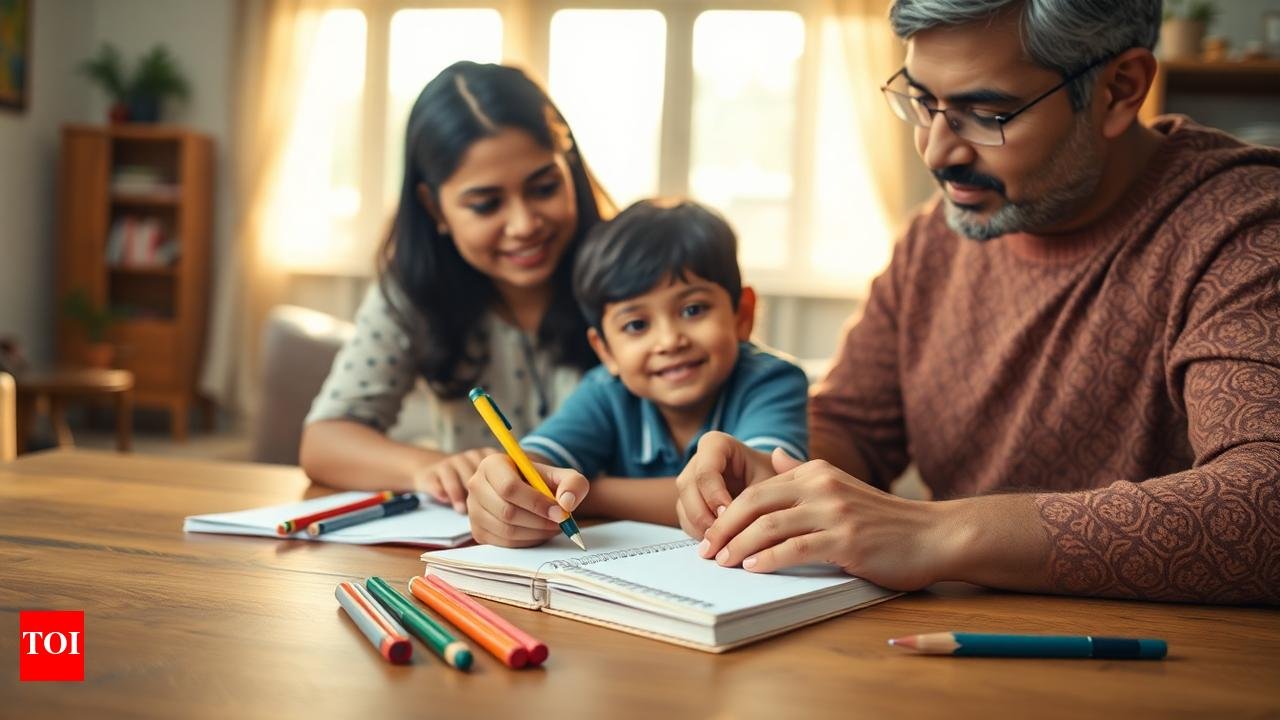
Discover 10 practical parenting tips to build confidence in children, encourage independence and help them handle mistakes and everyday challenges.
How to Support a Child Who Lacks Confidence: 10 Parenting Tips That Can Make a Difference
A child's confidence plays an important role in how they learn, communicate and handle everyday challenges. Confident children are often more willing to ask questions, try new activities and express their thoughts.
However, not every child feels confident all the time. Some hesitate to speak in class, feel nervous about making mistakes or compare themselves with other children. As a parent, your words and actions can make a real difference in helping your child believe in their abilities.
Here are 10 practical ways to build confidence in children without putting unnecessary pressure on them.
- Appreciate Effort, Not Just Results
Children often connect their success with marks, prizes and achievements. While these things matter, parents should also appreciate the effort behind them.
If your child works hard on a difficult assignment, recognise that effort even if the result is not perfect.
Simple words like "You worked really hard on this" can encourage children to keep trying.
- Avoid Comparing Your Child with Others
Every child has different strengths, interests and learning speeds. Comparing your child with siblings, classmates or friends can make them feel inadequate.
Instead, focus on your child's own progress. Help them understand that improvement matters more than being better than someone else.
- Allow Children to Make Mistakes
Mistakes are a natural part of growing and learning. If parents react negatively whenever a child gets something wrong, the child may become afraid of trying new things.
Explain that mistakes provide an opportunity to learn. Encourage your child to understand what went wrong and try again.
- Give Them Small Responsibilities
Allowing children to handle age-appropriate responsibilities helps them become more independent.
You can encourage them to:
- Organise their school bag.
- Arrange their study table.
- Complete simple household tasks.
- Make small decisions about their daily routine.
Completing these tasks can give children a sense of achievement.
- Listen to Their Thoughts and Feelings
Children need to feel that their opinions matter. Give them time to share their experiences, worries and ideas.
Avoid interrupting or immediately correcting them. Listen patiently and ask questions when needed.
When children feel heard at home, they may become more comfortable expressing themselves outside the home too.
- Encourage Them to Try New Activities
Trying something unfamiliar can help children discover their abilities.
Encourage them to explore activities such as sports, drawing, music, public speaking, reading or creative projects.
Do not force them to become excellent at everything. The purpose is to help them explore their interests and become comfortable learning new skills.
- Teach Them to Handle Failure Positively
Losing a competition, getting low marks or struggling with a difficult task can affect a child's confidence.
Instead of criticising them, help them understand that one setback does not define their abilities.
Talk about what they can do differently next time and remind them that progress takes practice.
- Avoid Overprotecting Them
Parents naturally want to protect their children from difficulties. However, solving every problem for them can limit opportunities to develop independence.
Let children try to handle small challenges themselves. Offer guidance when necessary, but give them the chance to find solutions.
- Create a Positive Learning Environment
Children should feel comfortable learning without worrying about being judged for every mistake.
Make time for homework, reading and revision, but also allow breaks and relaxation.
If your child finds a subject difficult, help them identify the problem and seek suitable academic support instead of making them feel incapable.
- Be a Positive Role Model
Children learn a lot by observing their parents. The way you handle mistakes, difficult situations and everyday responsibilities can influence their behaviour.
Show them that it is okay to ask for help, accept feedback and keep trying after failure.
Your actions can teach lessons that words alone may not communicate.
Signs Your Child May Need More Encouragement
Every child has moments of self-doubt, but certain behaviours may indicate that they need additional support:
- Avoiding activities because they fear making mistakes.
- Frequently saying they are not good enough.
- Hesitating to answer questions even when they know the answer.
- Becoming very upset after small setbacks.
- Constantly comparing themselves with other children.
- Avoiding social interaction or new experiences.
These signs do not automatically mean something is wrong. Try having an open conversation with your child and, if the concerns continue, consider speaking with their teacher or a qualified professional.
Final Thoughts
Building confidence in children is a gradual process. It does not happen through constant praise or by making everything easy for them. Children develop confidence when they feel supported, get opportunities to make decisions and learn how to handle challenges.
As a parent, your encouragement, patience and understanding can help your child recognise their strengths and become more comfortable with their abilities.
The most important thing to remember is that children do not need to be perfect to feel confident. They need to know that they are valued, supported and capable of learning.
 Parenting
 Parenting