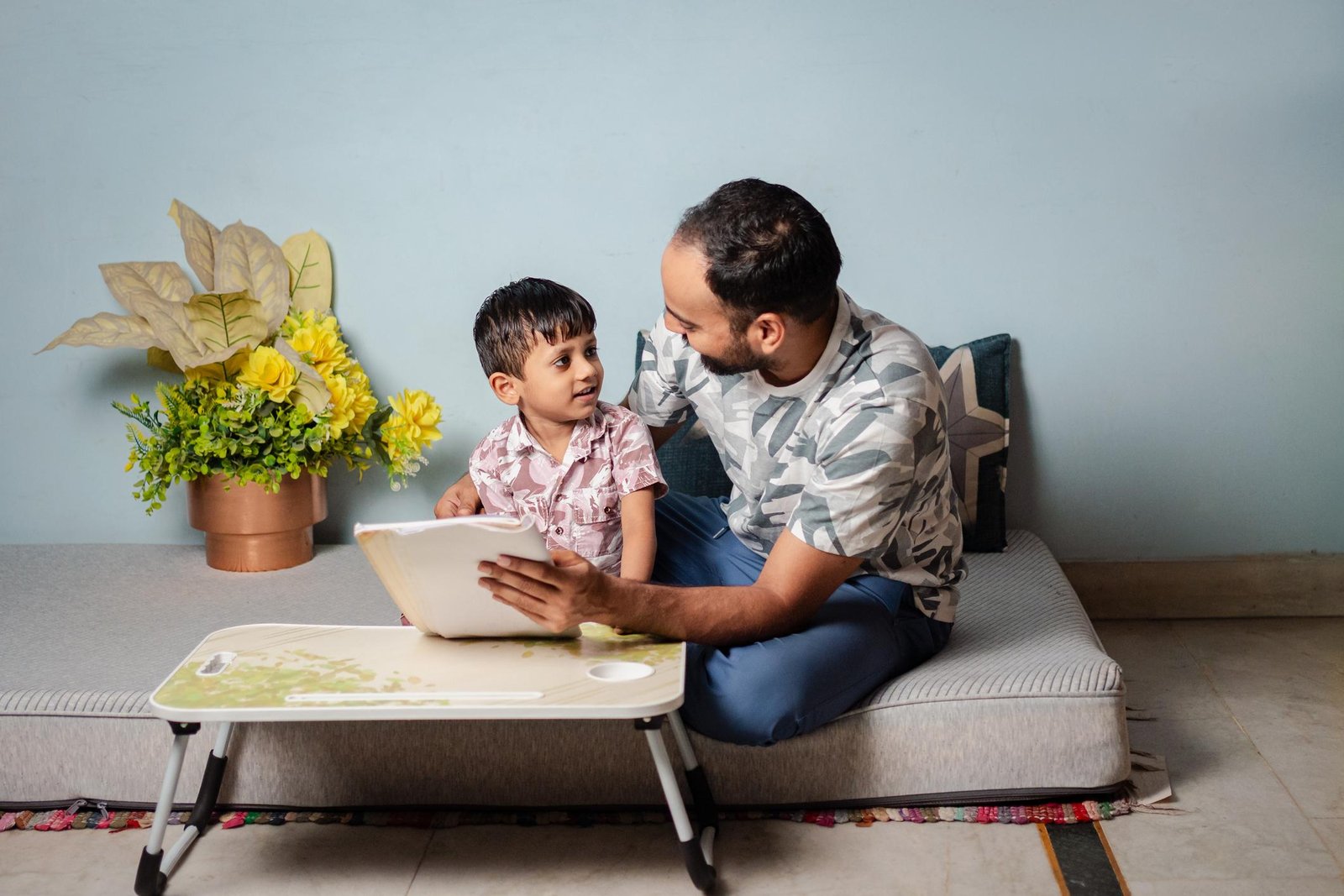
Learn how excessive screen time can affect children's sleep, concentration, physical activity and learning, along with practical tips to create healthier screen habits.
How Excessive Screen Time Affects Children: What Every Parent Should Know
Smartphones, tablets, televisions and computers have become a regular part of children's lives. From watching cartoons and playing games to attending online classes, children use screens for different activities every day.
Technology can support learning and entertainment, but too much screen time may affect a child's sleep, physical activity, attention and daily routine.
For parents, the challenge is not to completely remove technology but to help children develop a healthy relationship with it.
Here are some important things every parent should know about screen time and its impact on children.
- It Can Affect Sleep Quality
Using mobile phones or watching television close to bedtime can make it harder for children to settle down and sleep.
Exciting videos, games and other screen activities may keep their minds active when they should be relaxing.
Parents can help by creating a screen-free bedtime routine. Encourage children to read a book, talk with family members or listen to calming music before sleeping.
- It May Reduce Physical Activity
When children spend several hours sitting in front of screens, they may have less time for outdoor games and physical activities.
Regular movement is important for healthy growth, fitness and overall development.
Encourage children to play outside, cycle, dance, walk or participate in sports. These activities also give them opportunities to interact with others.
- It Can Make Concentration Difficult
Fast-moving videos and constantly changing content may make some children accustomed to frequent stimulation.
As a result, activities that require patience, such as reading a book or completing homework, may feel less interesting.
Parents can encourage activities that develop focus, including puzzles, drawing, storytelling and reading.
- It May Affect Social Interaction
Children learn communication skills by talking, playing and spending time with other people.
If screen activities replace too much family time or face-to-face interaction, children may get fewer opportunities to practise these skills.
Make time for family conversations, group games and activities where children can interact with others.
- It Can Expose Children to Inappropriate Content
Not everything available online is suitable for children. They may come across violent videos, misleading information, inappropriate advertisements or content designed for older audiences.
Parents should use age-appropriate parental controls and check the apps and platforms their children use.
More importantly, teach children what to do if they encounter something uncomfortable online. They should feel safe discussing it with a trusted adult.
- It May Affect Study Habits
Mobile notifications, games and entertainment videos can interrupt homework and revision.
Even when children are using a device for educational purposes, they may switch to unrelated content.
Try creating a dedicated study routine. Keep unnecessary devices away during homework and allow screen use when it is genuinely needed for learning.
- It Can Encourage Unhealthy Eating Habits
Children who spend long periods watching videos or playing games may develop a habit of eating while looking at screens.
This can make it harder for them to pay attention to hunger and fullness signals.
Encourage screen-free meals so children can enjoy their food and spend time talking with family members.
- Not All Screen Time Is the Same
An important point for parents is that educational screen use and passive entertainment are not identical.
For example:
- Watching an educational lesson can support understanding.
- Attending a live online class allows interaction with a teacher.
- Playing a creative learning game may encourage problem-solving.
- Watching videos continuously without a clear purpose may offer fewer learning benefits.
Parents should consider what children are watching or doing, not just how long they are using a device.
- Set Clear and Consistent Screen Rules
Children are more likely to follow healthy habits when expectations are clear.
Parents can establish simple household rules such as:
- No mobile phones during meals.
- No unnecessary screen use before bedtime.
- Homework should be completed before entertainment time.
- Outdoor play should be part of the daily routine.
- Devices should be used in shared family spaces when appropriate.
Rules should be realistic and suitable for the child's age.
- Lead by Example
Children often copy what they see adults doing. If parents constantly use their phones during meals or family conversations, children may develop similar habits.
Try keeping your own phone aside during family time. Spend time talking, playing games or doing activities together.
A healthy screen routine becomes easier when the entire family follows it.
How Much Screen Time Is Appropriate for Children?
There is no single screen-time limit that works for every child. Age, purpose, content and daily routine all matter.
The World Health Organization provides guidance for younger children:
- Infants under 1 year: Screen time is not recommended.
- 1-year-olds: Sedentary screen time is not recommended.
- Children aged 2–4 years: No more than 1 hour per day of sedentary screen time; less is better.
For older children, parents should focus on balancing screen use with sleep, physical activity, schoolwork and social interaction.
Final Thoughts
Technology is an important part of modern education and everyday life. Completely avoiding screens may not be practical, but allowing unlimited screen use is not a healthy solution either.
Parents can make a difference by setting reasonable boundaries, choosing age-appropriate content and encouraging activities beyond digital devices.
The goal should be to teach children how to use technology responsibly while giving them enough time to play, learn, sleep and enjoy real-world experiences.
 Parenting
 Parenting
 Parenting