CBSE has issued a subject-wise marks distribution circular for Class 10 and Class 12 students for the 2026–27 academic session. Understand how theory, practical, project and internal assessment marks are allocated.
CBSE Marks Distribution 2026–27: What Class 10 and 12 Students Should Know
Preparing for board examinations is not just about completing the syllabus. Students should also understand how their final marks are calculated.
The Central Board of Secondary Education (CBSE) has issued an important circular dated 5 November 2026, providing subject-wise details of marks distribution for Class 10 and Class 12 examinations for the 2026–27 academic session.
The circular explains how marks are divided between theory examinations, practical examinations, project assessments and internal assessments. This information can help students plan their preparation more effectively.
CBSE
- Why Has CBSE Released the Marks Distribution Circular?
Every subject may have a different assessment structure. Some subjects are evaluated mainly through written examinations, while others include practical work or project assessments.
CBSE has shared these details to help:
- Students understand the marks allocated to each assessment component.
- Schools prepare for practical and theory examinations.
- Teachers award and upload marks correctly.
- Students understand the examination duration and answer-book requirements.
The board has also clarified that the maximum marks allotted to each subject are generally 100, distributed among the applicable assessment components.
CBSE
- Class 10: How Are Marks Divided?
The marks distribution depends on the subject selected by the student.
For example:
Mathematics (Basic and Standard)
- Theory examination: 80 marks
- Internal assessment: 20 marks
- Total: 100 marks
Science
- Theory examination: 80 marks
- Internal assessment: 20 marks
- Total: 100 marks
Social Science
- Theory examination: 80 marks
- Internal assessment: 20 marks
- Total: 100 marks
Some skill-based subjects follow a different structure. For example, Information Technology and Artificial Intelligence have 50 marks for theory and 50 marks for practical assessment.
This means students should check the marks distribution for their own subject rather than assuming that every subject follows an 80:20 pattern.
CBSE
- Class 12: Practical and Project Marks Matter
Class 12 students should pay special attention to the assessment structure because practical and project components vary considerably across subjects.
Some examples from the CBSE circular include:
History
- Theory: 80 marks
- Project: 20 marks
Geography
- Theory: 70 marks
- Practical: 30 marks
Economics
- Theory: 80 marks
- Project: 20 marks
English Elective
- Theory: 80 marks
- Internal assessment: 20 marks
Students should check the official subject-wise list for their complete assessment details.
CBSE
- Why Should Students Take Internal Assessments Seriously?
Many students focus heavily on written examinations and leave internal assessments until the last moment.
This can be a mistake.
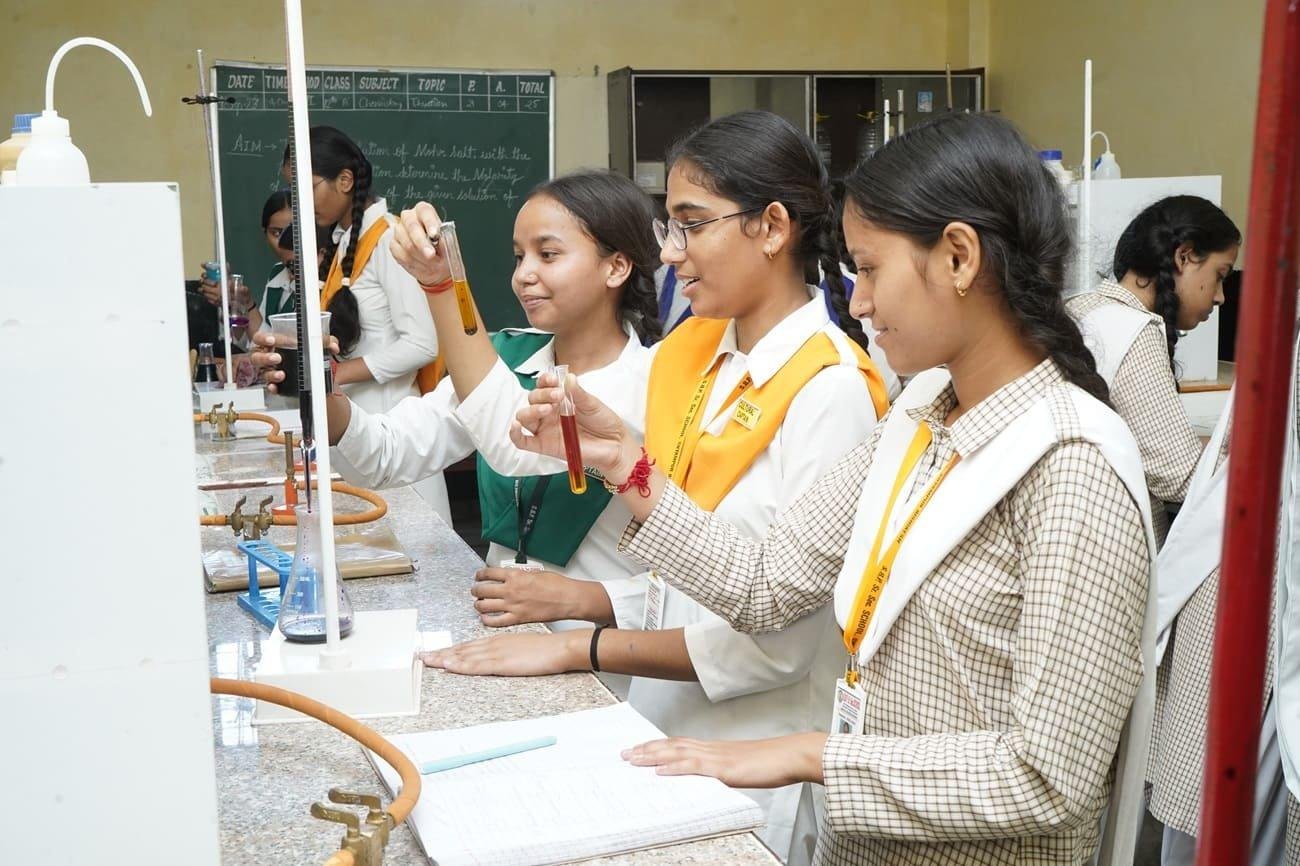
Internal assessments, practical examinations and projects contribute to the final subject score wherever they are applicable.
Students should:
- Complete practical files on time.
- Submit projects according to school instructions.
- Prepare for viva questions.
- Attend practical sessions regularly.
- Check that all submitted work is complete.
- Follow their teachers' instructions for internal assessments.
A few marks earned through consistent work can make a meaningful difference to the final result.
- What Should Students Do Before Board Exams?
With the 2027 board examinations approaching, students can use the marks distribution circular to create a more organised preparation plan.
Here are some useful suggestions:
Understand your subject structure: Check how many marks are allocated to theory, practicals and projects.
Prioritise written preparation: Practise important questions, previous-year papers and sample papers.
Do not ignore practicals: Make sure your practical files and projects are ready before the school deadlines.
Practise within time limits: Understand the duration of your theory examination and practise completing papers on time.
Keep checking school announcements: Your school will guide you about practical schedules, project submission and other assessment requirements.
- Where Can Students Download the Official CBSE Circular?
Students can access the official marks distribution notification directly from the CBSE website.
- Download Official CBSE Marks Distribution Circular 2026–27 (PDF)
- Visit CBSE Official Website
Always refer to the official subject-wise document for your specific subject combination.
Final Thoughts
Understanding the CBSE marks distribution is an important part of board exam preparation. Students should not focus only on the final theory paper. Practical examinations, project work and internal assessments also deserve proper attention.
A little planning now can prevent unnecessary confusion later. Check your subject-wise assessment pattern, complete your school assignments on time and prepare consistently.
Stay connected with GharmeShiksha.com for more CBSE notifications, board examination updates and education news.
 Board Updates
 Board Updates
 Board Updates